The Café is an imagined gathering place in an unspecified city in a virtual world, frequented by metaphorical people..
From a somewhat busy thoroughfare in the nearest medium-sized city, look for the side street where the last-remaining cobbler has a shop, (next to a seamstress with a sign in the window ‘Wedding Gowns on Consignment). Continue walking until you come to a lane (sidewalks now reduced to one side of the street only) and the buildings are growing larger, emptier and made of granite and brick instead of glass, steel and indifference. The road you’re on seems to broaden (as much to the empty lots of a once thriving industrial area of the city) and up on the left is a lane where the sidewalks are somehow cleaner, less pink-bubblegum splotched.
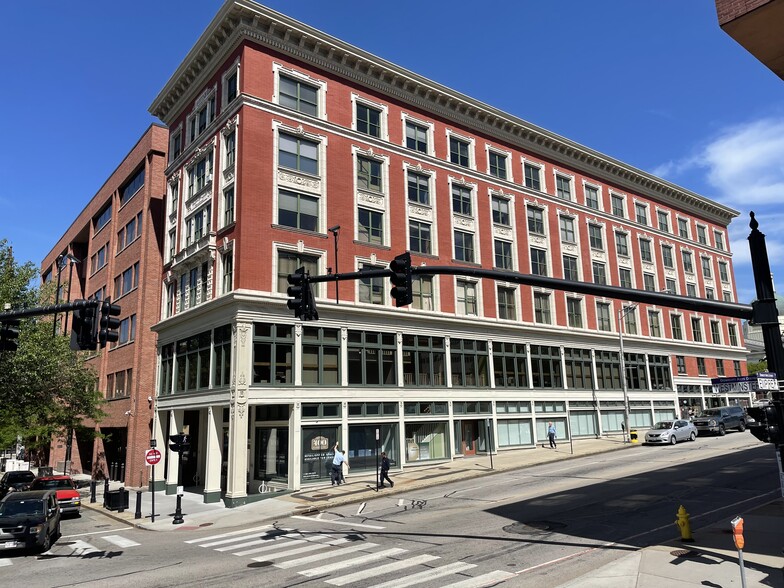
The Six Sentence Café & Bistro is in a building, (former textile mile if you must know)… non-descript but clearly well-kept amidst hulks, shells and remnants of the discarded infrastructure of a long-gone industrial engine
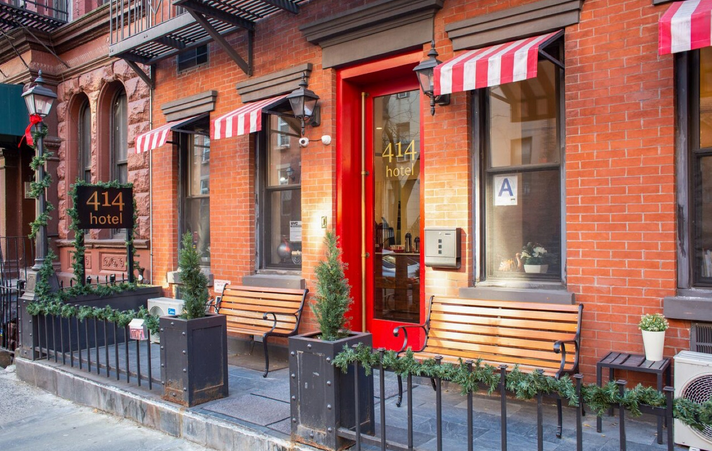
There is one entrance (three granite steps down from the street) and once through a small foyer (with a cigarette machine on top of which are free shopper magazines and dog-eared issues of ‘The Watchtower’) a glass and stainless-steel door.
Inside there is a long, polished mahogany bar running along the right-hand wall. Mirrors behind the shelves of liquor reflect out to the Cafe proper. Halfway down the bar, on the back wall is the entrance to the kitchen. At the far end is the service station (and Mimi’s seat).
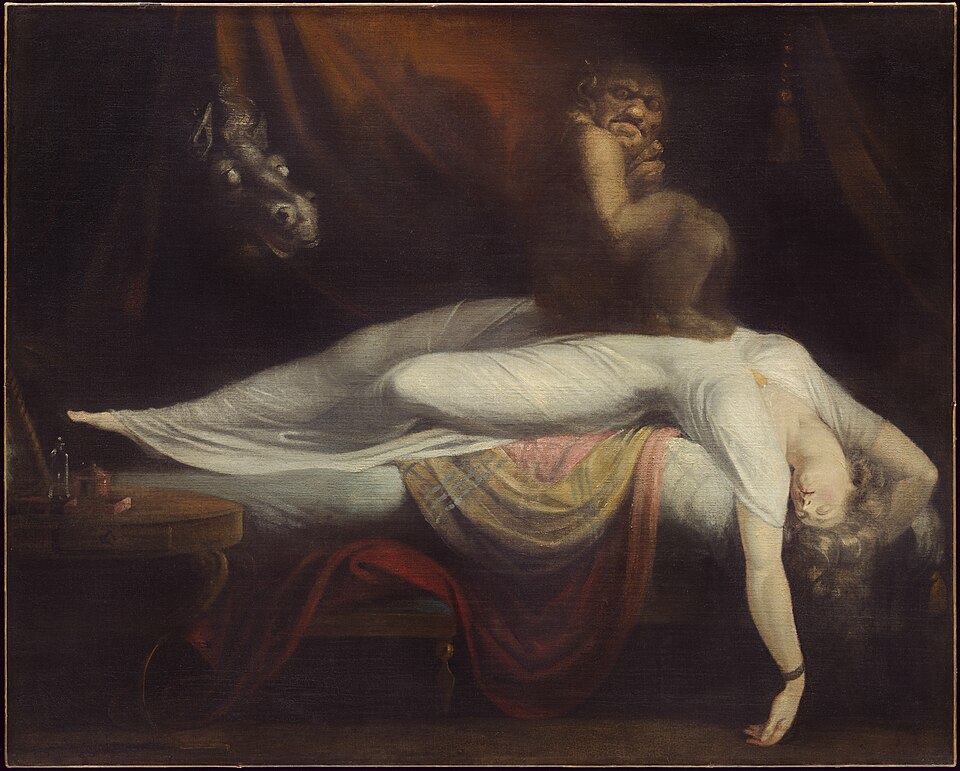
Beyond the bar is a hallway that turns to the right that leads to the Manager’s office. Beyond that, the hallway becomes gradually darker (not in a good, ‘hey aren’t you warm in that sweater’ way, more in the ‘no turning around won’t help…and running? Lol go ahead… we like it when they run’)
Opposite the bar is the open area of the Bistro. There’s a small stage, halfway up the right-hand wall and if you were to stand on the stage and look out, you’d see any number of round, heavily lacquered wood tables and chairs for the audience. Beyond is the exterior wall, the granite wall that you would see from the street. The columns that support the floors above form alcoves that are curtained off for privacy.
The building is in a failed re-development section of the former industrial zone in a mid-sized city. Granite, brick and cast iron are the predominant building materials.